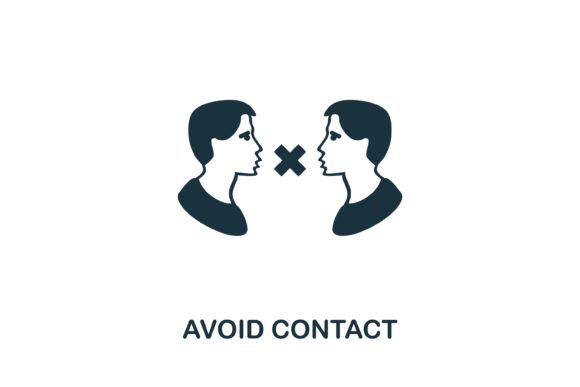
Avoid Contact Icon: Choosing and Using It the Right Way
When it comes to visual communication, especially in health-related or safety-focused messaging, the Avoid Contact Icon plays a vital role. Whether you're designing a website, creating an infographic, or preparing a public health campaign, this simple yet powerful symbol helps convey a clear message: keep your distance. But like many design elements, using the Avoid Contact Icon effectively requires more than just downloading and placing it on a page. Missteps in selection, customization, or application can lead to confusion, poor user experience, or even miscommunication.
Common Mistakes When Choosing an Avoid Contact Icon
One of the most frequent oversights is choosing an icon that's too abstract or overly stylized. The Avoid Contact Icon should be instantly recognizable, especially in contexts like signage, mobile apps, or infographics where clarity is key. A poorly designed or ambiguous version can leave viewers guessing what the icon represents.
Another common mistake is not considering the file format. Many users download an Avoid Contact Icon in a format that's difficult to scale or edit—like a low-resolution PNG—only to find it doesn't look sharp on larger banners or when resized for different screen sizes. This is where having both EPS and JPG files becomes valuable, as they offer flexibility for both print and digital use.
Using the Avoid Contact Icon Without Context
Even the best-designed Avoid Contact Icon can lose its impact if it's not used in the right context. For example, placing the icon in a cluttered layout or alongside conflicting visual cues can dilute its message. It's important to ensure that the surrounding design supports the icon’s purpose rather than competing with it.
Another overlooked detail is color choice. While many icons come in standard colors like red or gray to signal caution, some users change the color without considering accessibility or cultural meanings. A green Avoid Contact Icon, for instance, might unintentionally suggest permission rather than a warning.
Misunderstandings About Licensing and Usage Rights
Many people download an Avoid Contact Icon without checking the licensing terms. Some icons are free for personal use but require a paid license for commercial projects. Using an icon without proper rights can lead to legal issues, especially for businesses or marketers who include the icon in branded materials or advertising.
Always verify whether the Avoid Contact Icon you're using allows for modification, redistribution, and commercial application. Reputable sources often provide clear licensing information and may offer different packages based on your intended use.
Customizing the Icon Without Preserving Its Meaning
Customization can be a great way to make the Avoid Contact Icon fit your brand or design theme. However, over-editing can distort the original intent. For instance, adding too many visual effects or altering the core elements—like the spacing between figures—can make the icon less effective.
Instead of heavy customization, consider subtle adjustments like matching the icon's color palette to your brand or resizing it to fit your layout without distorting proportions. The goal is to maintain the icon’s universal readability while integrating it seamlessly into your design.
Downloading from Unreliable Sources
While it's tempting to grab a free Avoid Contact Icon from a quick Google search, doing so can lead to problems. Unverified sources may offer low-quality files, outdated designs, or even malicious content. Additionally, icons from unofficial sources may not come with proper documentation or support, making it harder to use them effectively.
Stick to trusted platforms that offer clear previews, detailed descriptions, and downloadable formats like EPS and JPG. These platforms often provide customer support and update their libraries regularly to ensure quality and relevance.
How to Choose the Right Avoid Contact Icon
Start by identifying the main use case. Are you using the Avoid Contact Icon for a website, a printed poster, or a mobile app? Each medium may require a slightly different style or format. Look for icons that are scalable and come with multiple file types to ensure flexibility.
Next, evaluate the visual clarity. A good Avoid Contact Icon should be simple, recognizable, and consistent with similar icons in the same collection. If you're using multiple icons together, they should share a common design language to maintain visual harmony.
Also, consider how the icon will be used across different devices and screen sizes. Vector formats like EPS are ideal for this, as they allow for crisp scaling without loss of quality. If you're using the icon in a digital format, check how it looks on both desktop and mobile displays.
Practical Tips for Using the Avoid Contact Icon Effectively
- Pair it with text – Especially in public-facing materials, combining the Avoid Contact Icon with a short explanatory phrase ensures the message is understood by all audiences.
- Use consistent spacing – Icons should be placed with enough breathing room to avoid looking cramped or confusing.
- Test for accessibility – Make sure the icon is clearly visible to users with color vision deficiencies or other visual impairments.
- Keep a backup copy – Always store the original EPS or JPG file in case you need to make future edits or scale it up.
Final Thoughts
The Avoid Contact Icon is more than just a design element—it's a communication tool that can influence behavior and improve public understanding of health and safety guidelines. By avoiding common mistakes in selection, customization, and usage, you can ensure that your message is clear, professional, and effective.
Whether you're a blogger, a small business owner, or a designer creating templates for clients, taking the time to choose and use the right Avoid Contact Icon can make a big difference in how your content is received. Look for high-quality, editable versions—like those with EPS and JPG files—and always prioritize clarity and consistency in your design choices.