Comb Icon from Barber Shop Collection: A Practical Guide for Designers
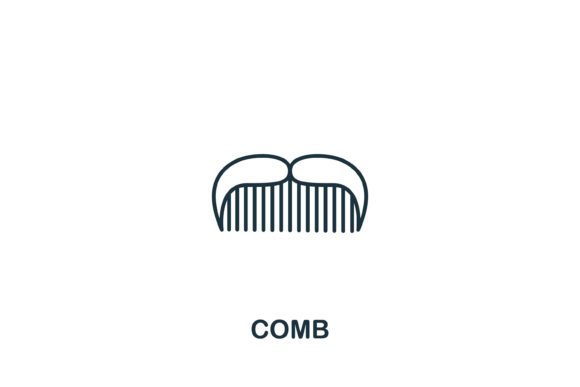
When building a visual identity for a grooming business, the difference between a generic clip art image and a professional asset often lies in the file format and line quality. The Comb Icon from Barber Shop Collection serves as a foundational element for barbers, stylists, and salon owners who need clean, scalable graphics. This simple line element comb symbol is specifically engineered for templates, web design, and infographics where clarity is paramount. However, acquiring the right vector graphics is only the first step. Many creators and small business owners inadvertently compromise their final output by misunderstanding how to handle EPS and JPG files or by selecting icons that lack the necessary versatility for modern branding.
Understanding the Value of Vector Formats
The primary advantage of this collection is the inclusion of an EPS file alongside the standard JPG. A common mistake among beginners and non-designers is relying exclusively on raster formats like JPG or PNG for logos and signage. While the JPG version included in this package is excellent for quick mockups, social media avatars, or low-resolution web placeholders, it has fixed dimensions. If you attempt to stretch a JPG comb icon for a storefront window decal or a large-format banner, the edges will pixelate and blur, resulting in an unprofessional appearance that can damage brand perception.
The EPS (Encapsulated PostScript) file is your master copy. It contains mathematical paths rather than pixels, meaning you can scale the comb symbol to the size of a billboard without losing a single ounce of crispness. When evaluating the Comb Icon from Barber Shop Collection, always prioritize the vector file for any print application or primary logo usage. Keeping the original EPS file safe ensures that future designers or printers can work with the asset without needing to recreate it from scratch, saving both time and money.
Avoiding Style Mismatches in Line Art
Not all simple line elements are created equal. One frequent oversight is assuming that any "barber comb" icon will match existing branding. Line weight, corner radius, and negative space must align with your typography and other visual assets. If your salon uses bold, heavy slab-serif fonts, a delicate, thin-line comb icon may look disconnected and weak. Conversely, pairing a thick, industrial-style comb with elegant script lettering can create visual dissonance.
Before finalizing your choice, place the Comb Icon from Barber Shop Collection directly next to your chosen typeface at various sizes. Check if the stroke width of the icon feels balanced against the stems of your letters. This simple comparison test prevents the awkward aesthetic clashes that often plague DIY branding projects. Because this asset is designed as a simple line element, it generally offers high versatility, but you must still verify that its specific geometric style complements your overall design language.
Ensuring Editability and Customization
The product description notes that these files are easy to edit and use, but this assumes you have the correct software and knowledge. A significant point of frustration occurs when users download an EPS file expecting to open it in basic photo editors or word processors. True vector editing requires software like Adobe Illustrator, Affinity Designer, CorelDRAW, or free alternatives like Inkscape. Attempting to modify line colors or adjust shapes in Photoshop or Microsoft Word often results in the file being rasterized, effectively destroying its vector properties.
If you plan to customize the color to match your brand palette or combine the comb with scissors or a razor, ensure you have access to vector editing tools before purchasing. For those without design software, the JPG file provides immediate utility, but understand that customization will be limited to cropping or applying filters rather than structural changes. Knowing your toolset limitations beforehand prevents buyer’s remorse and workflow bottlenecks.
Technical Considerations for Web and Print
Using the same file for every medium is another efficiency killer. While the EPS is perfect for print, it is not natively supported by most web browsers. For websites and digital infographics, you should convert the vector into an SVG (Scalable Vector Graphics) format. SVGs retain the infinite scalability of the EPS while being code-based, which improves page load speeds and accessibility compared to heavy image files.
Many users overlook this conversion step, opting instead to upload the provided JPG to their website. This forces the browser to load a larger file than necessary and results in blurry icons on high-density retina screens. By taking the extra minute to export an SVG from your EPS master file, you ensure the Comb Icon from Barber Shop Collection looks sharp on every device while maintaining optimal site performance. This attention to technical detail signals professionalism to potential clients visiting your site.
Licensing and Commercial Usage Clarity
Visual assets carry legal weight. A critical check before using any icon collection is verifying the license terms for commercial application. While this collection is marketed for templates and business use, always confirm whether the license allows for resale in templates or is restricted to end-use branding. Using an asset in a template you intend to sell on a marketplace often requires an extended license compared to using it for a single local barbershop’s business card.
Misunderstanding licensing can lead to takedown notices or legal disputes later. Read the terms associated with the Comb Icon from Barber Shop Collection carefully. If your project involves creating products for others, ensure your usage rights cover that specific scenario. Proper due diligence here protects your business and respects the creator's intellectual property.
Maximizing Versatility in Infographics and Templates
The simplicity of this line element makes it ideal for educational content and process diagrams. Barbers and educators often create infographics explaining hair types, cutting techniques, or sanitation protocols. A complex, detailed illustration can clutter these designs, whereas a minimalist comb symbol communicates the concept instantly without competing with text.
When designing templates for repeated use, consider creating variations of the master EPS file. You might need a solid fill version for dark backgrounds and an outline version for light ones. Preparing these variants in advance streamlines future projects. Instead of searching for new assets every time you need a slightly different presentation, having a well-organized library derived from the Comb Icon from Barber Shop Collection allows for faster, more consistent content creation.
Ultimately, the value of this asset extends beyond the initial download. It lies in how thoughtfully you integrate it into your workflow. By respecting file formats, matching visual styles, using appropriate software, and optimizing for specific mediums, you transform a simple graphic into a powerful branding tool. Whether you are a freelancer designing for a client or a shop owner managing your own marketing, these practical considerations ensure your investment delivers professional, lasting results.