Lack of Appetite Icon: A Versatile Design Asset
The lack of appetite icon is more than just a visual symbol. It's a meaningful representation often used in health-related content, especially during times like the coronavirus pandemic when appetite changes became a widely recognized symptom. Whether you're designing a health infographic, building a website, or creating educational material, this icon offers clarity and emotional resonance.
What Is a Lack of Appetite Icon?
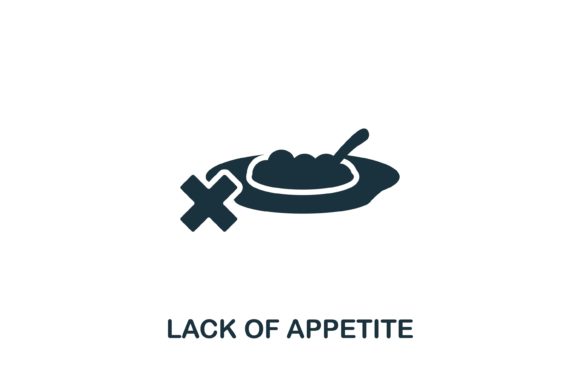
This icon typically depicts a visual cue associated with loss of appetite—like a crossed-out plate of food, an empty bowl, or a stylized stomach with a line through it. The monochrome lack of appetite icon is especially valuable for its simplicity and adaptability. It can be used across digital and print media without overwhelming the design.
When you download a lack of appetite icon from a design collection, you usually get multiple file types—like EPS and JPG—that make it easy to edit and scale for different uses. Its vector format ensures it stays sharp at any size, which is crucial for both web and print applications.
Why It Matters to Different Audiences
Depending on your background and goals, the value of a lack of appetite icon may vary:
- Bloggers and health writers use it to visually support articles on nutrition, illness, or wellness.
- Educators might include it in presentations about public health or pandemic response.
- Web designers appreciate its clean look and versatility in user interface design.
- Freelancers and small business owners integrate it into infographics or marketing materials to convey health-related messages clearly.
Beginners and Casual Users
If you're just starting out with design tools or using templates, a lack of appetite icon is easy to work with. Since it comes in multiple formats, you don't need advanced software to use it. Beginners often look for icons that are plug-and-play, and this one fits the bill. You can drag it into Canva, PowerPoint, or Google Slides and immediately enhance your content without needing design experience.
Experienced Designers and Developers
For professionals who work in Adobe Illustrator or Figma, the vector-based lack of appetite icon offers flexibility. You can recolor it, resize it, or combine it with other icons to build a cohesive set. The monochrome style makes it ideal for minimalist design themes and ensures it doesn't clash with color schemes.
Its inclusion in a coronavirus symptoms collection also makes it useful for data visualizations or dashboards that track health trends. Designers working on healthcare websites or mobile apps often use such icons to create intuitive navigation systems.
Practical Uses Across Professions
Here’s how different professionals might incorporate the lack of appetite icon into their work:
- Marketers – Use it in blog posts or social media content about health trends, especially during flu season or public health events.
- Content creators – Include it in YouTube thumbnails, slides, or digital handouts for videos discussing wellness or nutrition.
- Healthcare professionals – Add it to patient education materials or symptom checkers to improve readability.
- UI/UX designers – Implement it in mobile health apps or telehealth platforms where visual clarity is key.
Evaluating Quality and Usability
When choosing a lack of appetite icon, consider what matters most to your project:
- Beginners may prioritize ease of use and ready availability in templates.
- Professionals might focus on scalability, file format options, and compatibility with design software.
- Business owners may look for commercial use rights and adaptability across branding materials.
Always check the licensing terms to ensure the icon can be used for your intended purpose. Many icons come with both personal and commercial licenses, making them a flexible asset for a variety of users.
When This Icon Fits Your Project
Ask yourself whether the lack of appetite icon aligns with your message. If you're creating content around health, wellness, or symptoms, this icon can add visual clarity and emotional context. It’s especially useful when paired with other icons from the coronavirus symptoms collection, creating a unified visual language.
For example, a blogger writing about post-viral fatigue might use this icon alongside others representing fatigue, cough, or fever. A school educator teaching students about immune response could use it in a slide deck to illustrate symptom tracking.
Long-Term Value and Flexibility
Icons like this one have staying power. Even beyond the pandemic, appetite changes remain a common symptom of many conditions—from stress to thyroid issues. This means the lack of appetite icon continues to be relevant in medical, educational, and wellness contexts.
For creators and entrepreneurs, having a versatile icon in your toolkit can save time and money in the long run. Instead of sourcing new images for every project, you can reuse well-designed, high-quality icons across different platforms and campaigns.
Final Thoughts
The lack of appetite icon is a small but powerful design element. Whether you're building a website, creating a health guide, or designing a presentation, this icon can help you communicate more effectively. With its clean, monochrome style and multiple file formats, it's accessible to both beginners and pros alike.
By choosing the right icon for your needs, you’re not just adding a visual—you’re enhancing understanding and engagement. And that makes all the difference in today’s visual-first world.