Understanding the Role of Stereotype Icons in Modern Web Design
Icons are a powerful visual language in the digital world. Among the many types available, the stereotype icon has carved a niche for itself, especially in business management contexts. Whether you're designing a website, creating a presentation, or building an infographic, this type of icon offers a clear and concise way to communicate complex ideas quickly.
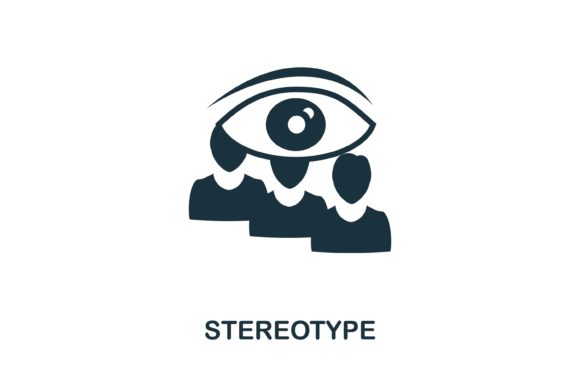
The stereotype icon is often used to represent common assumptions or simplified images of people, groups, or concepts. In the realm of business, it helps designers and communicators convey recurring themes or archetypes in a visually engaging way. Its monochrome design makes it versatile and easy to integrate into a wide range of visual projects.
What Makes the Stereotype Icon Unique?
Unlike more abstract or symbolic icons, the stereotype icon is rooted in recognizable imagery. It reflects familiar patterns or representations that audiences can instantly connect with. This quality makes it especially useful in environments where quick comprehension is key—like dashboards, user interfaces, or data visualizations.
- Monochrome design ensures adaptability across different color schemes.
- Vector-based formats like EPS allow for scalable, high-quality visuals.
- Easy customization means it can be tailored to fit brand aesthetics or project needs.
When used thoughtfully, this icon type becomes more than just a visual placeholder—it becomes a tool for storytelling and user engagement.
How Stereotype Icons Enhance Web Design and Infographics
In web design, the stereotype icon serves as a visual shorthand. It allows designers to communicate ideas without relying heavily on text. This is particularly useful in responsive design, where space is often limited and clarity is crucial.
For example, imagine a website that offers personality assessments or team-building resources. Using stereotype icons to represent different personality types or workplace roles can help users navigate the content more intuitively. The icons act as visual cues, guiding users through the experience with minimal cognitive load.
In infographics, these icons are equally valuable. They help break down complex data into digestible pieces. A chart comparing workplace dynamics might use stereotype icons to represent managers, creatives, analysts, and other roles, making the information more relatable and easier to understand at a glance.
Practical Uses Across Industries
The stereotype icon finds a home in a variety of industries, particularly those that rely on personas, roles, or behavioral patterns to convey meaning. Here are a few examples:
- Human Resources: Used in training materials to represent different employee types or leadership styles.
- Marketing: Incorporated into buyer persona templates to illustrate customer archetypes.
- Education: Integrated into e-learning platforms to highlight different learning styles or student profiles.
- Healthcare: Applied in patient journey maps to symbolize different healthcare professionals or patient types.
Each of these applications benefits from the icon’s simplicity and universal recognition. When paired with the right context, it can make complex systems feel more approachable and user-friendly.
Why Monochrome Icons Work Well in Modern Design
The monochrome stereotype icon is especially valuable in modern web and graphic design. With minimal color distraction, it focuses attention on shape and form, which are essential for visual recognition. Additionally, monochrome icons are easier to adapt to different themes and palettes, making them ideal for brands that want to maintain consistency across platforms.
They also perform well in print and digital formats alike. Whether you're using them in a presentation or embedding them in a mobile app, their clean lines and simple structure ensure they remain legible and effective.
How to Choose and Use Stereotype Icons Effectively
When selecting a stereotype icon, consider the context in which it will be used. Here are a few practical tips:
- Match the tone: Ensure the icon’s style aligns with your brand’s visual identity—whether it's playful, professional, or minimalist.
- Use consistently: Apply icons in a uniform way across your materials to build visual familiarity.
- Optimize for clarity: Avoid overly detailed icons that may become confusing when scaled down.
- Pair with text: Especially in international or multilingual contexts, combining icons with brief labels improves understanding.
Also, consider file formats. The EPS file is ideal for vector editing and scalability, while the JPG file is great for quick integration into web or print projects. Both formats should be part of your toolkit for maximum flexibility.
Integrating Stereotype Icons into Your Workflow
Designers and content creators can easily incorporate the stereotype icon into their workflow using common design tools. Adobe Illustrator, Sketch, and Figma all support vector-based editing, allowing for seamless customization. For those working with templates or CMS platforms like WordPress or Wix, JPG versions can be uploaded directly without the need for advanced editing.
When building templates or reusable design systems, consider organizing your stereotype icons into a library. This ensures that team members can access and use them consistently across different projects. It also streamlines the design process and reduces duplication of effort.
Final Thoughts on Using Stereotype Icons
The stereotype icon may seem like a small design element, but its impact can be significant. Whether you're crafting a user interface, developing a presentation, or designing an infographic, this icon type offers a blend of clarity, versatility, and visual appeal.
By choosing high-quality, easy-to-edit icons—such as those provided in EPS and JPG formats—you set yourself up for success across a range of design challenges. And with the right approach, you can turn simple illustrations into powerful communication tools that enhance user experience and drive engagement.