Understanding the Role of Weakness Icons in Modern Web Design and Infographics
In the evolving landscape of digital communication, visual symbols play a crucial role in conveying messages efficiently. Among these symbols, the Weakness Icon has emerged as a powerful visual cue, especially in contexts where clarity and emotional resonance are key. Whether used in web design, educational infographics, or health-related content, the Weakness Icon communicates vulnerability, fatigue, or diminished strength in a universally recognizable format.
Derived from a broader collection of coronavirus symptom icons, the Weakness Icon has found relevance beyond its original context. Designers and content creators now use it to represent a range of conditions, from physical exhaustion to emotional burnout. Its monochrome variation makes it especially versatile for modern design systems that prioritize minimalism and adaptability.
Design Characteristics of the Weakness Icon
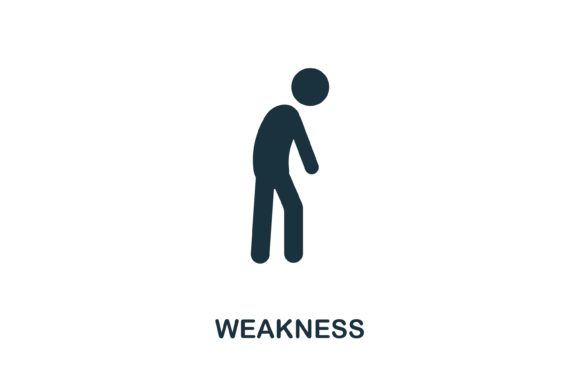
The Weakness Icon is typically designed to reflect a state of physical or metaphorical frailty. Visual elements often include slumped postures, drooping limbs, or abstract representations of energy depletion. These icons are crafted to be instantly recognizable, even at small sizes, and are often part of a larger set of related icons that include fever, cough, or shortness of breath.
- Available in both EPS and JPG formats
- Easy to scale and modify for different platforms
- Compatible with major design software including Adobe Illustrator and Photoshop
- Designed for print and digital use
One of the most popular versions is the Monochrome Weakness Icon, which offers a sleek, modern appearance while maintaining strong visual clarity. This design choice makes it ideal for use in dashboards, mobile apps, and responsive web layouts where visual consistency is essential.
Practical Applications Across Industries
The Weakness Icon has found practical applications across a wide range of fields, from healthcare to human resources. In medical infographics, it is often used to represent fatigue as a symptom of various conditions. In corporate wellness programs, it may symbolize burnout or overwork, helping to visually communicate the need for rest or mental health support.
Educators and instructional designers have also adopted the Weakness Icon to illustrate physical or cognitive fatigue in learning modules. For example, in e-learning platforms, the icon might appear alongside content that discusses time management, stress reduction, or the importance of sleep.
Use in Templates and Infographics
Design templates and infographics benefit greatly from the use of standardized icons like the Weakness Icon. These visual elements help break down complex ideas into digestible pieces, making information more accessible to a broader audience. Because the icon is available in vector format (EPS), it can be easily customized to match brand colors or design themes, even when originally intended for monochrome use.
When designing infographics related to health trends, workplace wellness, or public health advisories, the Weakness Icon serves as a visual anchor that helps viewers quickly grasp the intended message. It pairs well with other icons related to symptoms, recovery, or resilience, creating a cohesive visual language.
Advantages of Using the Weakness Icon in Web Design
Integrating the Weakness Icon into web design projects offers several benefits:
- Improved User Understanding: Icons like this one help users interpret content quickly, especially when language barriers exist.
- Enhanced Visual Hierarchy: The icon can guide attention and structure page layouts more effectively than text alone.
- Scalability: Being vector-based, the Weakness Icon can be resized without losing quality, making it suitable for responsive designs.
- Brand Consistency: When used across different platforms and documents, the icon contributes to a unified visual identity.
Designers working on health-related websites or applications often include the Weakness Icon in symptom checkers, recovery timelines, and fatigue tracking tools. Its presence helps users navigate complex information more intuitively and encourages engagement with health monitoring features.
Choosing the Right Format: EPS vs. JPG
When selecting a format for the Weakness Icon, it’s important to consider the intended use. The EPS file is ideal for vector editing and high-quality printing, allowing for infinite scalability without loss of detail. This makes it the preferred format for logos, illustrations, and scalable graphics used in professional design environments.
On the other hand, the JPG format is best suited for web use and situations where file size and compatibility are priorities. While it does not offer the same scalability as EPS, it ensures that the icon loads quickly and displays correctly across browsers and devices.
For most web design projects, starting with the EPS version and exporting optimized JPG files for deployment ensures the best balance between quality and performance. This dual-format availability gives designers the flexibility to work in both print and digital contexts without compromising on visual fidelity.
Best Practices for Incorporating the Weakness Icon
Successfully integrating the Weakness Icon into your design or content strategy involves more than just placing it on a page. Here are some best practices to follow:
- Contextual Relevance: Ensure the icon clearly aligns with the message or data it accompanies. Misuse can lead to confusion or misinterpretation.
- Consistent Styling: Match the icon's style with the rest of your visual assets to maintain a cohesive design language.
- Accessibility: Use appropriate contrast and consider adding text labels for users relying on screen readers.
- Responsive Behavior: Test how the icon appears on different devices and screen sizes to ensure optimal visibility.
By following these guidelines, designers and content creators can make the most of the Weakness Icon as a tool for clear, effective communication.
Conclusion
As digital design continues to evolve, the importance of clear, recognizable visual symbols like the Weakness Icon cannot be overstated. Whether used in healthcare applications, educational content, or corporate wellness initiatives, this icon serves as a vital tool for conveying complex ideas with simplicity and precision. Its availability in both EPS and JPG formats ensures that it can be easily adapted to a wide variety of design needs, making it an essential asset for any modern web or graphic design project.