Vr Platform: Elevating Digital Design with Simple Line Iconography
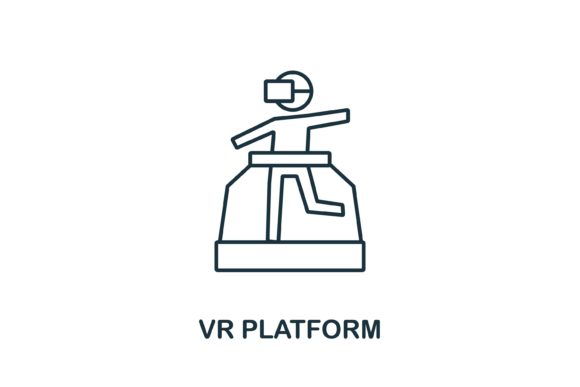
When we talk about a Vr Platform in the context of digital asset creation, we are often referring to more than just the software environment where virtual reality experiences occur. We are discussing the visual language that represents these immersive technologies to the outside world. For designers, marketers, and content creators, finding the right symbol to represent a VR platform is a critical step in bridging the gap between complex technology and user understanding. A simple line element VR platform symbol serves as this essential connector, offering a clean, modern aesthetic that communicates innovation without overwhelming the viewer.
This specific type of vector graphic—often sourced from augmented reality collections—is designed for versatility. Whether you are building a landing page for a new headset, creating an infographic explaining spatial computing, or designing templates for tech startups, the utility of a minimalist VR icon cannot be overstated. Because these assets typically come in both EPS and JPG formats, they offer immediate flexibility. The EPS file ensures that your logo or symbol remains crisp on a billboard or a high-resolution retina display, while the JPG provides a quick, lightweight option for web mockups and internal presentations.
Real-World Applications Across Industries
The true value of a VR platform icon emerges when applied to specific industry challenges. It is not merely a decorative element; it is a functional signifier that guides user expectations. In the education sector, for example, institutions are increasingly adopting virtual labs and historical recreations. However, academic websites can often feel dense and text-heavy. Integrating a simple line-art VR symbol next to course modules instantly signals interactivity. It tells students and parents that this curriculum involves active participation rather than passive reading. The simplicity of the line work ensures the icon feels approachable and educational rather than intimidatingly futuristic.
In the corporate training space, the stakes are different but the need for clear iconography remains. Companies rolling out safety simulations or soft-skills workshops in VR need to communicate this shift to employees who may be skeptical of new tech. A sleek, professional VR platform logo used in internal newsletters and onboarding portals helps normalize the technology. It frames VR as a standard business tool rather than a novelty. Here, the "easy to edit" nature of vector files becomes practical. HR departments can quickly recolor the icon to match brand guidelines or adjust the stroke weight to fit various document layouts without needing advanced design skills.
Healthcare and therapy providers also benefit significantly from these symbols. When marketing exposure therapy or rehabilitation programs, trust is paramount. Complex, cyberpunk-style graphics might alienate patients seeking medical care. A simple, elegant line symbol conveys precision, cleanliness, and clinical professionalism. It suggests that the VR platform being used is a refined medical instrument. Designers working in this niche often utilize the negative space in these icons to create a sense of calm and openness, directly influencing patient perception before they even don a headset.
Enhancing Web Design and Infographics
For web designers, the VR platform icon is a layout problem solver. Modern UI trends favor whitespace and clarity. Heavy, detailed illustrations can slow down page load times and clutter navigation menus. A simple line element acts as a visual anchor that loads instantly and scales perfectly across devices. When designing feature comparison tables for SaaS products, these icons help users scan information rapidly. Instead of reading paragraphs to distinguish between AR, VR, and MR features, users can rely on distinct, consistent iconography to navigate the content.
Infographics present another unique opportunity. Explaining the technical architecture of a VR platform involves abstract concepts like latency, field of view, and haptic feedback. Translating these into visuals requires symbols that are universally understood yet stylistically cohesive. Using a collection where the VR platform icon shares the same stroke width and corner radius as other AR and tech symbols ensures the final infographic looks like a unified system. This consistency builds credibility. When data visualization feels polished, the underlying research is perceived as more authoritative.
Practical Considerations Before Implementation
While the accessibility of downloadable assets makes integration easy, there are important considerations to keep in mind to ensure the asset serves its purpose effectively. Licensing is the first checkpoint. Just because a file is available does not mean it is free for commercial use. Always verify whether the license covers client work, merchandise, or unlimited digital impressions. For agencies managing multiple brands, securing an extended license upfront prevents legal headaches later.
Technical compatibility is equally vital. While EPS is the industry standard for vectors, not all software handles legacy EPS files gracefully. If your workflow relies heavily on Figma or Sketch, you may need to convert the EPS to SVG or open it in Illustrator first to clean up anchor points. Sometimes, downloaded vectors contain hidden layers or unnecessary clipping masks that can cause rendering issues on the web. Taking five minutes to optimize the file after download saves hours of troubleshooting during development.
Visual consistency should also guide your selection. A simple line element VR platform symbol works best when paired with similar aesthetics. If your existing website uses filled, solid icons, introducing a thin-line VR icon will create visual dissonance. Conversely, if your brand identity is bold and heavy, a delicate line drawing might disappear. Evaluate the stroke weight relative to your typography and other UI elements. The goal is harmony, not contrast for contrast's sake.
Balancing Simplicity with Recognition
There is a fine line between minimalism and ambiguity. While simple line art is trendy, it must still be recognizable as a VR platform symbol. Over-simplification can lead to icons that look like generic boxes or glasses without context. Test the icon at small sizes, such as 16x16 pixels for favicons or mobile navigation bars. If the details vanish or the shape becomes confusing at that scale, the design has gone too far. The best assets strike a balance where the form is reduced to its essence without losing its semantic meaning.
Accessibility should never be an afterthought. When using these symbols in web design, ensure they have appropriate alt text or ARIA labels. A screen reader cannot interpret a vector graphic; it relies on your code to explain that this image represents a "Virtual Reality Platform Feature." Furthermore, consider color contrast. Thin lines can be difficult for users with low vision to perceive against light backgrounds. Ensure the stroke color meets WCAG standards, or provide a thicker alternative for accessibility modes. Great design is inclusive design, and utilizing these assets responsibly extends their value to all users.
Ultimately, the choice to use a simple line element VR platform symbol is a strategic decision. It reflects a commitment to clarity and user experience. By selecting high-quality, editable vector files and applying them thoughtfully across education, corporate, healthcare, and digital design contexts, professionals can demystify emerging technology. These icons do more than decorate; they translate. They turn the abstract promise of virtual reality into a tangible, accessible concept that audiences can understand and embrace. Whether delivered via EPS for print perfection or JPG for rapid prototyping, these tools empower creators to tell better stories about the future of immersive interaction.